FoodJet

Testing and feasibility

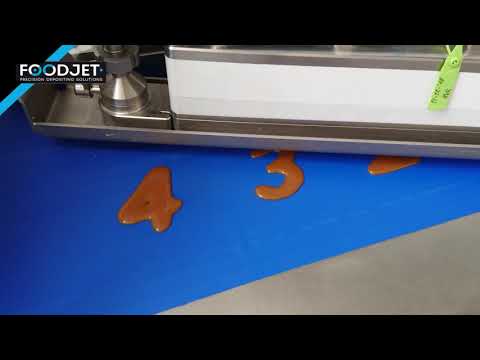
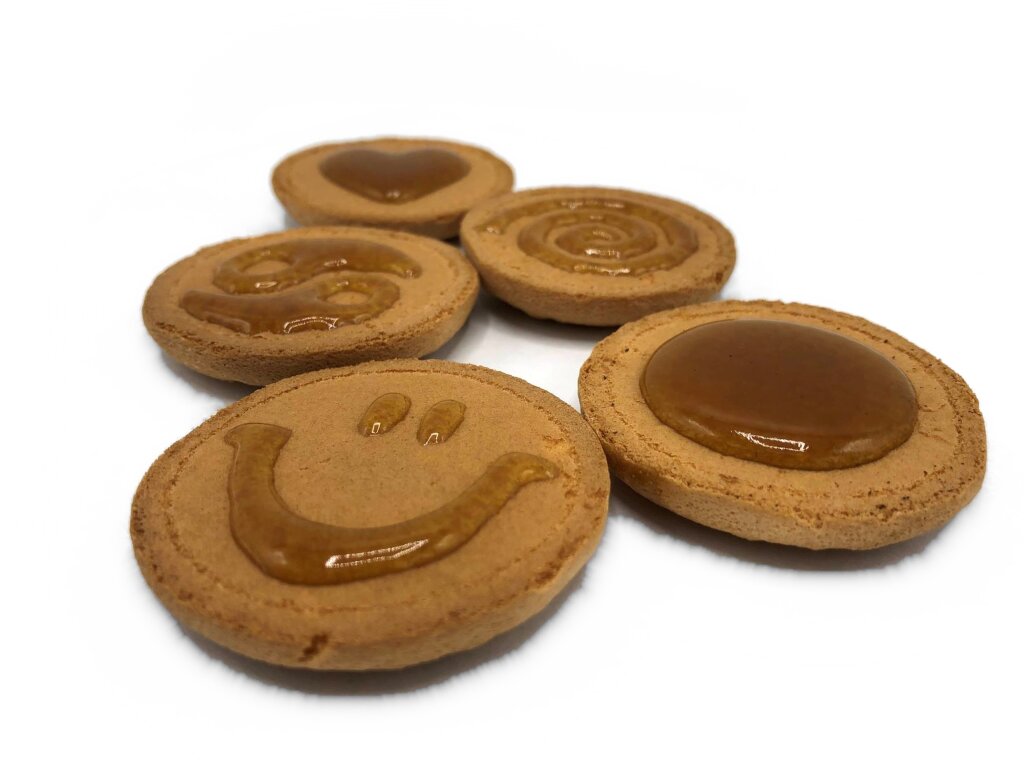
Surface filling is the technique of covering the entire surface of a product with an even layer of a liquid food such as sauce, butter or batter, while keeping a defined sauce-free edge. Vision technology recognises the shape of every product on the conveyor, so the material lands on the product and not around it, even on irregular or randomly placed products. When you change product shapes you upload the matching recipe and keep running, with no mechanical change-overs.

What a feasibility trial is
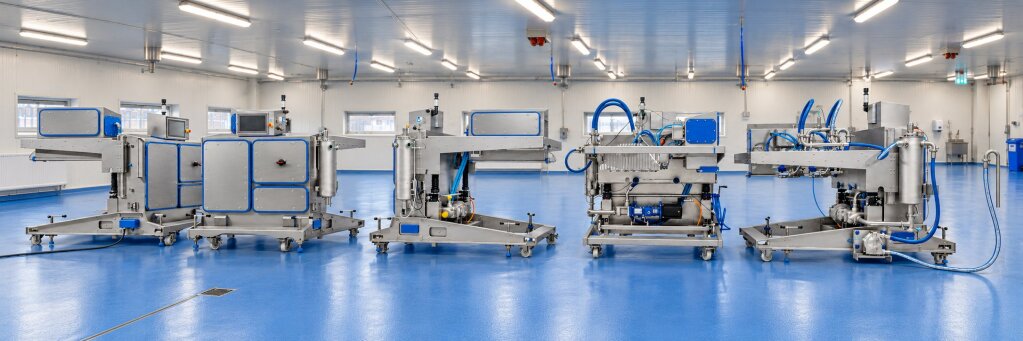
A depositor only earns its place if it performs on your product, at your line speed. Before you commit, FoodJet runs a feasibility trial with your actual product on the right depositor and measures the result: weight, pattern and position. You decide on results from your own product, not a showcase. This page explains how a trial works and what you get from it.
Why test before you commit

A depositor only earns its place if it performs on your product, at your line speed. A trial removes that uncertainty before you invest. You see the deposit accuracy, the pattern and the changeover on your own recipe, measured rather than promised, so the decision rests on results from your own product instead of a standard demonstration.

The trial in three steps

A FoodJet trial runs in three steps:

  • Step 1, spoon test. You send a 5 kg or 5 litre sample of your product. We assess how it behaves during dosing and confirm whether it is feasible.
  • Step 2, machine test. We run your product on the right depositor and measure weight, pattern and position. Sample volume is 25 kg for warm materials and 50 kg for cold materials.
  • Step 3, trial with you present (optional). You attend the trial on site and see your product run live, with the same volumes.

Trials are carried out by our test team at the test centre in Wijchen (Bijsterhuizen), where FoodJet also runs customer factory acceptance tests. You can usually schedule a trial within four to six weeks. The trial itself takes more or less time depending on the material, your requirements and how much investigation it needs.

What you get

A clear result on your own product: measured weight, pattern and position, the right machine configuration for your application, and a realistic view of throughput. Enough to make the investment decision with confidence, based on evidence rather than estimates.

Proven across many lines

FoodJet's vision-guided, software-defined depositing is proven across more than 150 installations worldwide, from Norway to Argentina and from the United States to Japan. The trial is how that experience is applied to your specific product and line.

Start a trial

Ready to see it on your own product? Tell us your application, your product and your target output, and we will arrange a trial. Adding your material and target throughput helps us respond faster.

Can I test a depositor with my own product before buying?

Yes. The whole point of a trial is to run your own product, not a standard recipe, so you see the real result before you commit.

How much sample do you need for a trial?

A 5 kg or 5 litre sample for the spoon test, then 25 kg for warm materials or 50 kg for cold materials for the machine test.

Where do trials take place?

At FoodJet's test centre in Wijchen (Bijsterhuizen), the Netherlands, where FoodJet also runs customer factory acceptance tests.

How long does a trial take to arrange?

You can usually schedule a trial within four to six weeks. The trial itself takes more or less time depending on the material, your requirements and the depth of investigation needed.

Can I be there during the trial?

Yes. You can attend the machine test and see your product run live on the depositor.

Increase accuracy, improve speed and add a unique touch