

- FoodJet supports convenience producers by depositing liquid foodstuffs, spreads, fats, sauces, dressings, and fillings with inclusions (within process limits), with portion control set in the recipe.
- Typical formats include sandwiches and wraps, tray-based meals, and selected snack concepts (depending on product properties and line setup).
- The result: portions set in the recipe and less giveaway, at industrial line speeds (application-dependent).
FoodJet supports convenience food producers by depositing liquid foodstuffs, such as sauces, spreads and dressings, on or into products like sandwiches, wraps and tray meals. The goal is portion control set in the recipe, to reduce giveaway. Feasibility depends on product properties (viscosity, temperature and inclusions) and the required deposition pattern and line conditions.
At a glance: where FoodJet fits in convenience production
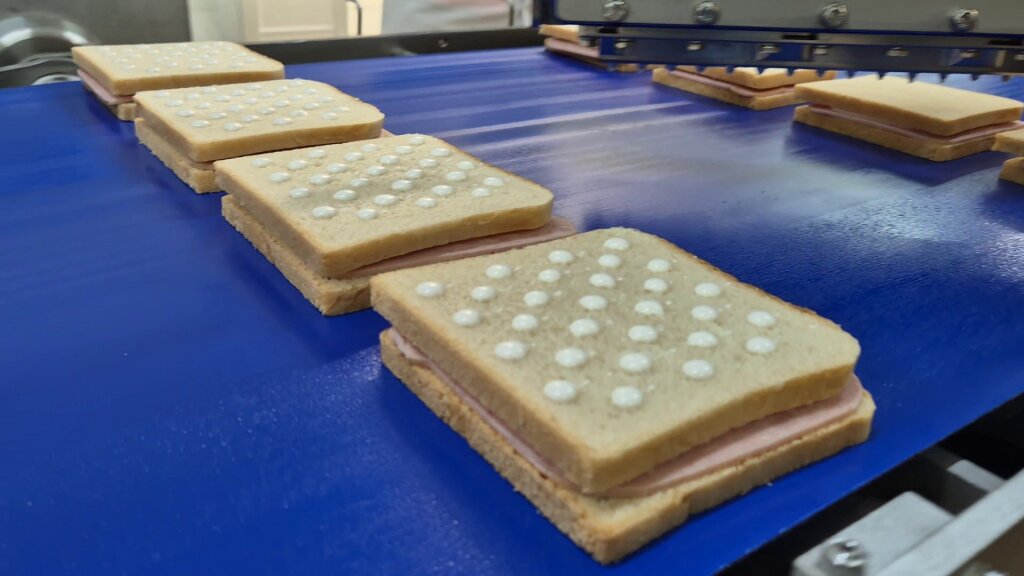
- Use case: depositing liquid foodstuffs on or into convenience products (spreads, fats, sauces, dressings, and fillings with inclusions within process limits).
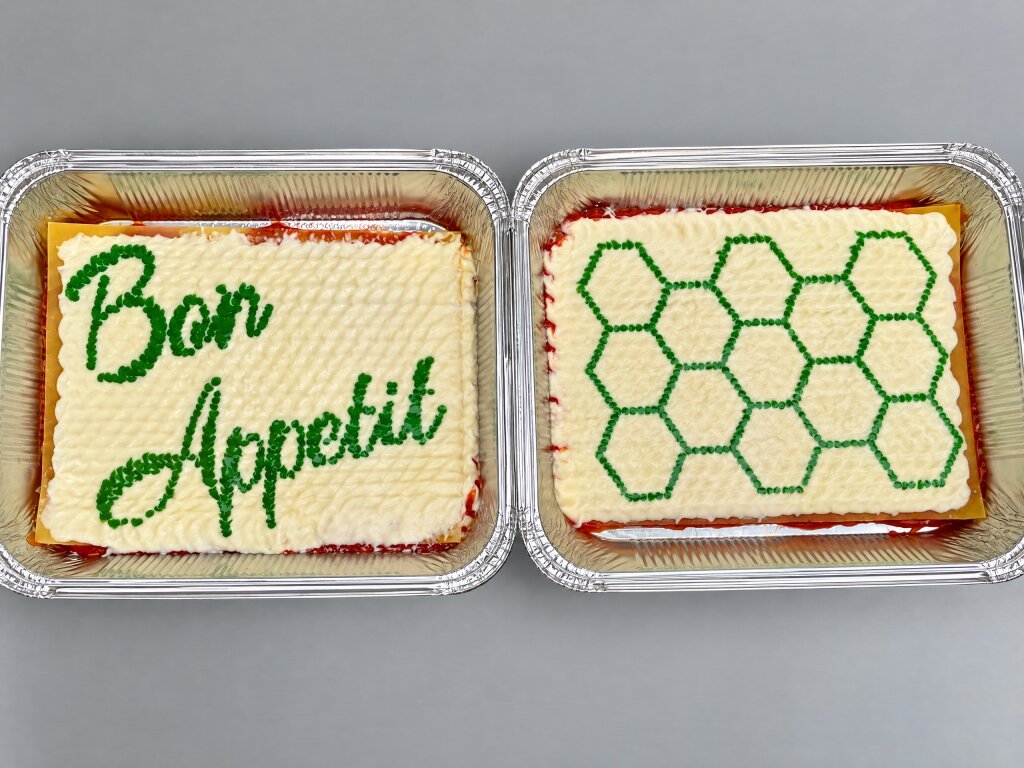
- Typical tasks: surface coating, stripes/patterns, pocket filling, and tray/compartment filling.
- What you gain: portion control set in the recipe and reduced giveaway.
- Not a fit: full solid topping application is typically handled with different technology; inclusions are assessed case-by-case.
Choose your application route
Check all products
Below are common routes. They are examples, FoodJet is used for many other convenience food applications involving liquid foodstuffs. Pick a route to see examples and the recommended next step.


Popular machines in convenience food depositing solutions
Check out machines


What we deposit in convenience lines
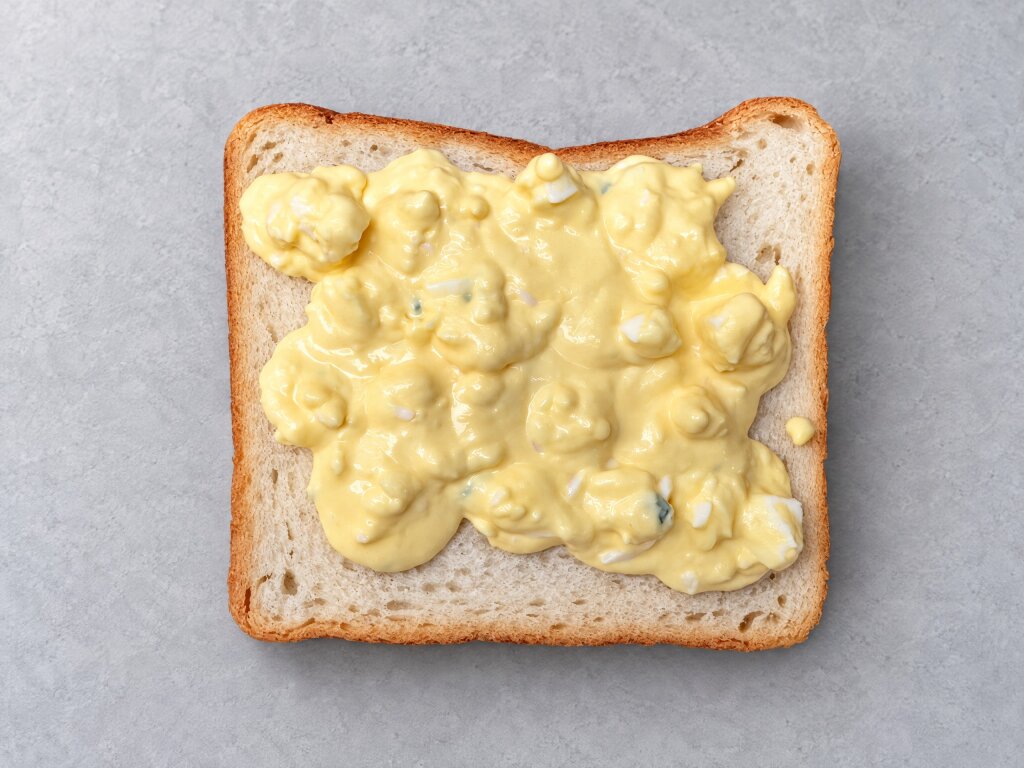
FoodJet solutions are designed for depositing liquid foodstuffs, homogeneous or with inclusions within process limits. For solid toppings, a different technology is typically required.
Typical products include:
- Spreads & fats: butter, margarine, mayonnaise-based spreads
- Sauces & dressings: sauces, dressings, marinades
- Filled products: sauces or fillings with inclusions (within process limits)
Not sure if your product fits? If you work with liquid foodstuffs (homogeneous or with inclusions within process limits), we can usually provide quick advice based on product properties and your line setup.
Quick fit check for your application
Product properties
- What is the product type (spread / sauce / filling), and viscosity range?
- Homogeneous or with inclusions (particle size and %)?
- Temperature requirements (cold / warm / controlled)?
Deposition task
- Surface coating, stripes/patterns, pocket filling, or tray/compartment filling?
- Target portion (weight/volume) and allowed tolerance (if defined)?
Line conditions
- Line speed / throughput target
- Product variation: size/shape/position consistency on the belt
- Hygiene & cleaning approach (CIP/SIP expectations, allergen changeovers)
How we determine the right set-up
- Product properties define pumping and dosing approach (viscosity, temperature, inclusions within process limits).
- The deposition task defines the nozzle and pattern solution (coating, stripes/patterns, pocket filling, tray filling).
- Line variation determines whether vision support and recipe control add value (position tolerance, product size/shape variation).
- Hygiene requirements influence the design of the feeding and cleaning concept (changeovers, allergens, CIP expectations).
Why FoodJet for convenience production
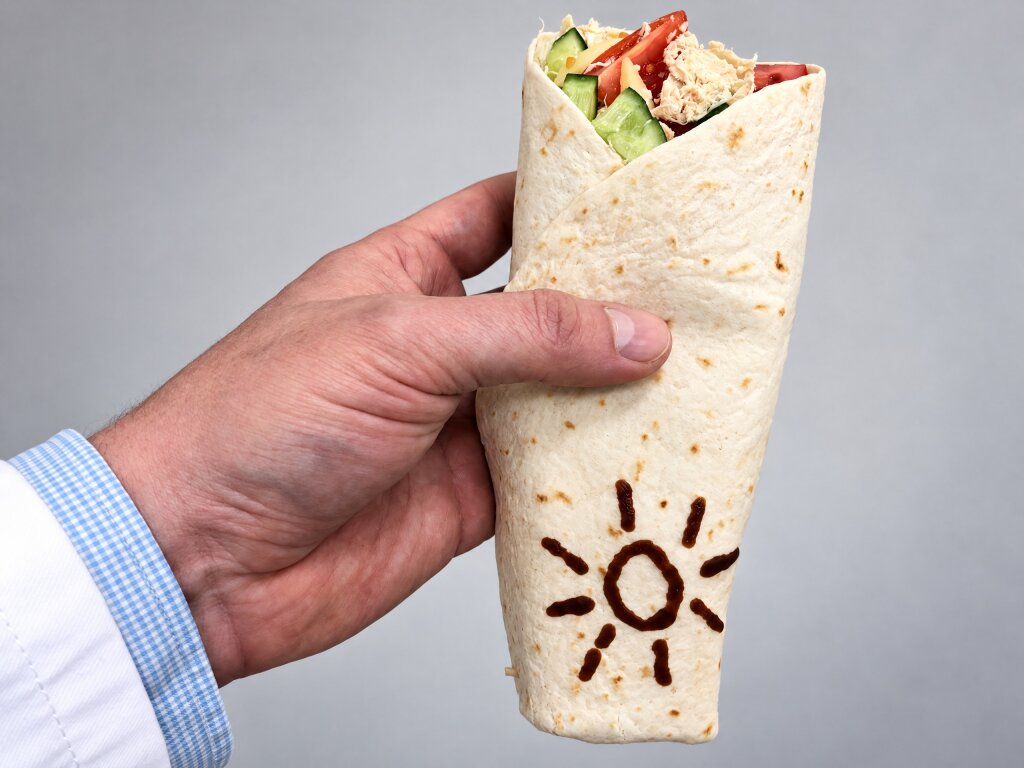
Convenience production often demands high throughput and frequent SKU changes. This is where recipe-driven depositing adds value.
- Portion control: weights and patterns set in the recipe to reduce giveaway (application-dependent)
- Presentation: targeted deposition improves product appearance
- Fast changeovers: support for product variations and frequent SKU switches
Next step: discuss your product
- What do you want to deposit (material type, viscosity range, and temperature window)?
- Homogeneous or with inclusions (particle size and %)?
- What task and pattern do you need (fill, top, decorate, coat, targeted)?
- Belt width and line speed target
FAQ
Every FoodJet system is configured and quoted to fit your line and your requirements.

